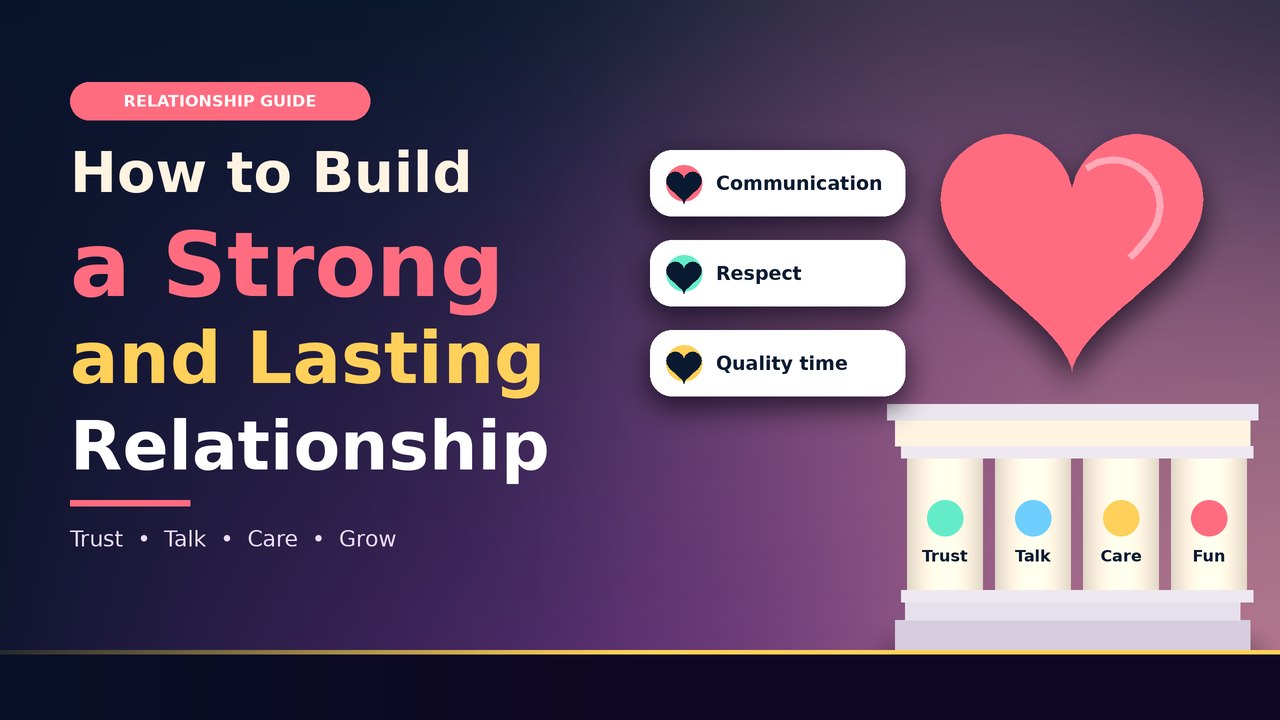
Building a meaningful relationship is about much more than falling in love. Attraction may bring two people together, but trust, respect, communication, and consistent effort help them stay connected over time. Every couple experiences disagreements, stressful situations, and changes in life. The difference between a relationship that grows stronger and one that gradually becomes distant often comes down to how both partners handle these challenges.
If you are wondering how to build a strong and lasting relationship, the most important thing to understand is that a healthy partnership is created through everyday actions. Listening carefully, keeping promises, showing appreciation, respecting personal boundaries, and supporting each other’s goals can make a meaningful difference. These 15 practical tips can help couples develop a deeper connection and create a relationship that can grow through different stages of life.
1. Build Your Relationship on Mutual Trust
Trust is one of the most important foundations of a lasting relationship. Without it, even small misunderstandings can create unnecessary doubts and emotional distance. Both partners should feel comfortable being honest about their thoughts, feelings, concerns, and expectations.
Trust is not built through promises alone. It develops when your actions consistently match your words. If you promise to call, make an effort to call. If you make a mistake, admit it instead of hiding the truth. These small behaviors demonstrate reliability.
It is also important to avoid unnecessary suspicion, secretive behavior, and controlling habits. Trust does not mean knowing every detail of your partner’s life. It means respecting their independence while maintaining honesty and openness.
When both people feel secure, they can focus more on enjoying the relationship instead of constantly worrying about what might go wrong.
2. Communicate Openly and Honestly
Good communication helps couples understand each other’s needs before small concerns become serious problems. Your partner cannot automatically know what you are thinking or feeling, so expressing yourself clearly is essential.
Talk about your daily experiences, personal goals, worries, and expectations. Do not limit conversations to household responsibilities, work schedules, or financial matters. Make room for meaningful discussions about your emotions and relationship.
Listening is just as important as speaking. Give your partner enough time to explain their feelings without interrupting or immediately defending yourself. Ask questions when something is unclear rather than making assumptions.
If you want to improve this important skill, read our related guide on how to communicate better with your partner. Better communication can help couples feel understood, respected, and emotionally connected.
3. Respect Each Other’s Opinions and Differences
Two people do not need identical personalities, interests, or opinions to have a successful relationship. You may enjoy different hobbies, prefer different ways of spending free time, or approach problems from different perspectives.
Respect means accepting that your partner is an individual with their own thoughts and preferences. You can disagree without insulting, embarrassing, or dismissing them.
For example, if your partner enjoys spending weekends with friends while you prefer staying home, discuss a schedule that gives both of you room to enjoy your interests. Neither person should feel forced to give up everything they enjoy.
Healthy compromise allows couples to make decisions together without one person controlling the other. Respecting differences also creates a safer environment where both partners can express themselves honestly.
4. Make Quality Time a Regular Priority
Busy schedules can make it difficult for couples to spend meaningful time together. Work, family responsibilities, social activities, and personal commitments may gradually reduce opportunities for connection.
However, spending quality time does not always require expensive vacations or elaborate date nights. Simple activities can create meaningful memories when both people are genuinely present.
You could cook dinner together, take an evening walk, watch a favorite movie, play a game, or enjoy a conversation without checking your phones. The important part is giving each other your attention.
Try to establish a regular time for activities you both enjoy. Even a short daily conversation can help maintain emotional closeness when life becomes busy.
5. Appreciate the Small Things Your Partner Does
Appreciation is a simple habit that can help keep a relationship positive. Over time, couples sometimes become so familiar with each other that they stop noticing everyday efforts.
Your partner might prepare a meal, help with a difficult task, remember an important date, or offer emotional support after a stressful day. Recognizing these actions shows that you do not take their effort for granted.
You do not need to wait for a special occasion to express gratitude. A sincere thank-you, a thoughtful message, or a genuine compliment can make your partner feel valued.
Appreciation should be mutual. Both people deserve to feel that their contributions matter. When partners regularly recognize each other’s efforts, they create a more supportive and encouraging environment.
6. Learn to Handle Disagreements Without Hurting Each Other
Arguments are normal because couples have different needs, expectations, and opinions. A disagreement does not automatically mean that a relationship is unhealthy. The way partners handle conflict is much more important.
Avoid shouting, personal insults, threats, and bringing up unrelated mistakes from the past. These behaviors can make a small disagreement more painful and difficult to resolve.
Instead, focus on the issue that needs attention. Explain how you feel without blaming your partner. For example, say, “I felt disappointed when our plans changed without a conversation,” rather than, “You never care about my feelings.”
If emotions become too intense, take a short break and agree to continue the discussion when both people feel calmer. The goal should be to understand the problem and find a fair solution, not to prove who is right.
7. Support Each Other’s Personal Goals
A healthy relationship should encourage both people to grow as individuals. Your partner may have career ambitions, educational plans, creative interests, or personal dreams that are important to them.
Show interest in those goals and offer encouragement when challenges appear. Celebrate progress, listen when something goes wrong, and discuss practical ways to support each other.
At the same time, maintain your own interests and ambitions. A strong partnership does not require two people to abandon their individual identities.
When both partners feel supported in their personal development, the relationship can become a source of encouragement rather than a limitation.
8. Be Honest Even When Conversations Are Difficult
Honesty is essential when discussing sensitive subjects such as money, family expectations, future plans, personal boundaries, and emotional concerns.
Avoid hiding important information simply because you are afraid of a disagreement. Unspoken concerns can grow into resentment, while dishonesty can damage trust over time.
Being honest does not mean speaking without considering your partner’s feelings. Choose respectful language and an appropriate time for difficult conversations.
For example, if you are worried about shared expenses, explain the situation clearly and invite your partner to discuss possible solutions. Do not wait until frustration turns into an argument.
Honesty works best when both partners feel safe enough to speak without expecting insults, punishment, or humiliation.
9. Keep Romance Alive Through Everyday Effort
Romance should not disappear once a relationship becomes familiar. While grand gestures can be exciting, consistent affection often has a greater place in everyday life.
Leave a thoughtful note, plan a simple date, send a loving message, or surprise your partner with something they genuinely enjoy. Remembering small details can make someone feel special.
Physical affection, when both partners are comfortable with it, can also help maintain closeness. Holding hands, hugging, or sitting together can communicate warmth without requiring a long conversation.
Every couple has different preferences. Discuss what makes each of you feel loved instead of assuming that the same romantic gestures work for everyone.
10. Respect Personal Space and Boundaries
Spending time together is important, but having personal space is equally valuable. Both partners should be able to maintain friendships, hobbies, interests, and individual routines.
Healthy boundaries help people communicate what makes them comfortable and what they need to feel respected. These boundaries may involve privacy, personal time, social activities, communication, or physical affection.
For example, one partner may need quiet time after work, while the other prefers talking immediately. Discussing these preferences can help you find a routine that works for both people.
Respecting boundaries does not mean becoming emotionally distant. It means recognizing that love and independence can exist together.
11. Learn to Forgive and Take Responsibility
No one behaves perfectly in every situation. People make mistakes, misunderstand each other, and sometimes say things they later regret.
When you make a mistake, take responsibility instead of automatically blaming your partner or the circumstances. A sincere apology should recognize what happened and show that you understand why it hurt the other person.
Forgiveness can help couples move forward, but it does not mean ignoring repeated harmful behavior. Rebuilding trust requires consistent changes, not just apologies.
Both partners should be willing to learn from difficult experiences. When mistakes lead to greater understanding and improved behavior, the relationship has an opportunity to grow.
12. Discuss Your Future Together
A lasting relationship becomes stronger when partners understand what they want from the future. You do not need to plan every detail immediately, but discussing important goals can prevent misunderstandings later.
Talk about subjects such as marriage, children, career plans, finances, living arrangements, family responsibilities, and lifestyle preferences when they become relevant.
You may discover that you share many goals but have different ideas about how to achieve them. Discuss those differences with patience and consider practical compromises.
Future planning should be a shared conversation rather than a demand from one person. Both partners deserve an opportunity to express what matters to them.
13. Be There for Each Other During Difficult Times
A strong relationship is not measured only by how happy couples are during easy periods. Support becomes especially important when one partner experiences stress, disappointment, illness, career problems, or family difficulties.
Sometimes your partner may need practical assistance. At other times, they may simply need someone who listens without judging or immediately offering solutions.
Ask what kind of support would be helpful instead of assuming you know what they need. A simple question such as, “Would you like advice, or would you prefer me to listen?” can make a conversation more comfortable.
Support should work in both directions. One person should not always carry the emotional responsibilities of the relationship.
14. Avoid Comparing Your Relationship With Others
Social media can create unrealistic expectations about romance. Pictures of expensive gifts, perfect holidays, and happy couples may make ordinary relationships seem less exciting.
However, online posts rarely show the complete reality of another couple’s life. Every relationship has private challenges, different financial circumstances, and unique priorities.
Instead of comparing your partnership with someone else’s, focus on what makes your relationship meaningful. Celebrate your progress, identify areas that need improvement, and create experiences that suit both of you.
A lasting relationship does not need to look impressive to other people. It needs to feel respectful, supportive, and fulfilling for the people involved.
15. Keep Choosing Each Other Through Everyday Actions
Love is not only a feeling; it is also reflected in the decisions people make every day. Choosing to listen, show kindness, respect boundaries, and work through problems can help maintain a meaningful connection.
This does not mean staying in a relationship at any cost. A healthy partnership requires mutual effort, emotional safety, and respect. One person cannot create a lasting relationship alone.
Make time to reconnect, acknowledge positive changes, and discuss concerns before they become overwhelming. Small actions repeated consistently can have a lasting influence on how couples experience their relationship.
For more practical ideas about maintaining a healthy marriage and building a supportive partnership, explore our guide to tips for a great marriage.
Common Signs of a Strong and Lasting Relationship
A healthy relationship is not necessarily free from challenges. However, certain positive qualities often help couples maintain a stable and supportive connection.
- Mutual respect: Both partners value each other’s feelings, opinions, and boundaries.
- Honest communication: They can discuss important subjects without regularly hiding their concerns.
- Emotional support: They encourage each other during both positive and difficult experiences.
- Shared responsibility: Both people contribute to maintaining the relationship.
- Personal independence: Each partner can maintain individual interests and friendships.
- Healthy conflict resolution: Disagreements are handled without intimidation, insults, or manipulation.
- Consistent affection: They make an effort to show love and appreciation in ways that matter to each other.
These qualities do not appear automatically. They develop through repeated choices, conversations, and shared experiences.
Frequently Asked Questions
What is the secret to a strong and lasting relationship?
There is no single secret. Mutual trust, honest communication, respect, emotional support, and consistent effort all contribute to a healthy partnership. Both people need to participate and remain willing to learn from challenges.
How can I make my relationship stronger every day?
Start with small habits such as listening carefully, expressing appreciation, spending quality time together, and discussing concerns respectfully. Consistency is more important than occasional grand gestures.
Can a relationship last without trust?
Trust is essential for long-term emotional security. When trust has been damaged, rebuilding it may be possible through honesty, accountability, clear boundaries, and consistent behavior. However, both partners must be willing to work toward improvement.
How do couples keep love alive for many years?
Couples can maintain emotional closeness by continuing to communicate, showing affection, trying new activities, respecting individual interests, and making time for each other. They should also adapt as their responsibilities and life circumstances change.
What should I do if only one partner is making an effort?
Start with an honest conversation about what feels unbalanced and explain what changes you need. Give your partner an opportunity to respond, but remember that a healthy relationship requires participation from both people. If the pattern continues, consider whether the relationship is meeting your needs.
Conclusion
Understanding how to build a strong and lasting relationship starts with recognizing that meaningful love requires more than attraction. Trust, communication, respect, patience, appreciation, and emotional support create the foundation for a healthy partnership.
You do not need to follow every tip perfectly or solve every problem immediately. Start by improving one everyday habit, such as listening more carefully, spending quality time together, or expressing gratitude. Encourage your partner to make similar efforts so that both of you can grow together.
The strongest relationships are not always the ones without disagreements or difficult moments. They are the partnerships where both people feel respected, supported, and willing to work toward a healthier future together.